

By JD Marshall Host & Founder, The Trailhead Network
Welcome To The Jungle
The offroading community has long been the Cassandra of outdoor sports – prophesying restrictions in wilderness areas, often to the disbelief and mockery of others. Yet, in a twist of fate echoing an ancient Greek tragedy, their warnings have come to pass. The offroading community’s foresight is now a reality affecting all realms of outdoor sports.
Welcome to the fight for your public lands.
The Foresight of the Offroading Community
Years ago, offroaders started voicing concerns about the tightening grip of regulations on public lands, most recently by calling them “wilderness” areas. They foresaw a future where not just their sport but all outdoor activities could face stringent limitations, if not outright closure. These concerns were often dismissed as overreactions or paranoia. However, with its deep connection to natural landscapes and an understanding of bureaucratic tendencies, the offroading community sensed the changes in the air long before they became headlines for the likes of Outdoors.com.
The Unfolding of Predicted Restrictions
The recent National Park Service (NPS) and U.S. Forest Service (USFS) proposals to reclassify fixed anchors in wilderness areas as ‘installations’ exemplify this prediction turning into policy. Just like defining ‘wilderness areas’ seemed innocuous to these groups at first, this seemingly minor change in classification is the next step. It carries profound implications for climbing, hiking, and the ethos of wilderness exploration. It reflects a shift from a presumption of access to a presumption of restriction, fundamentally altering how we interact with public lands.
The “I Told You So” Moment for Offroaders
As these regulations start to bite down on other groups, the offroading community finds itself in an “I told you so” moment. This isn’t about claiming victory in a grim prediction contest; it’s about recognizing the validity of concerns raised by a group often sidelined in environmental discussions. Offroaders now see their once-mocked warnings echoed by climbers, hikers, and other outdoor enthusiasts facing similar restrictions.
Analyzing the Current Situation: Wilderness Climbing and New Regulations
The impact of these new regulations extends far beyond the climbing routes of Yosemite or the bouldering challenges in Joshua Tree. They represent a fundamental shift in how these lands are perceived and managed. The ethos of responsible, unfettered access to nature, a cornerstone of many outdoor sports, is being replaced by a poorly managed and restricted engagement model.
The Ripple Effect: Beyond Climbing to Other Sports
With their unique perspective on wilderness access, offroaders have been quick to point out the broader implications of these regulations. The restrictions follow a precedent offroaders have seen that will likely extend to mountain biking trails, backcountry skiing routes, and even hiking trails. This isn’t just about climbing anchors; it’s about the future of land management.
The Cultural Shift in Outdoor Recreation
This situation highlights a cultural shift in the outdoor recreation world. There’s a growing divide between those advocating for preservation at all costs and those championing responsible, shared use of natural resources. Often at the forefront of this debate, the offroading community has advocated for a balanced approach that respects the environment and the rights of various user groups.
Historical Context: Tracing the Path to Present Restrictions
The roots of these restrictions can be traced back to earlier wilderness legislation and management practices. For instance, the Wilderness Act of 1964 set the stage for future debates about the balance between conservation and access. As early users and advocates of these areas, offroaders have a unique historical perspective on this evolution.
The Future Outlook: Preparing for More Changes
Looking ahead, the offroading community anticipates further restrictions and challenges to your public lands. Yet, they remain committed to advocacy and engagement to influence future policies. Their message is clear: responsible access to wilderness areas isn’t just a matter of leisure, it is a right that needs defending.
Legal and Environmental Considerations
Legally, these changes bring forth a myriad of questions regarding the rights of outdoor enthusiasts. Environmentally, they challenge us to balance protecting natural landscapes and allowing people to experience them. With its stewardship and environmental responsibility traditions, the offroading community stands ready to help these other groups be part of this conversation.
It’s Time To Stop Fighting Each Other
For years, the offroading community stood on the front lines alone, often facing off against hikers, climbers, and others who saw our trails through a lens of opposition. Those who once thought themselves immune to such constraints dismissed our warnings about the slippery slope of overregulation.
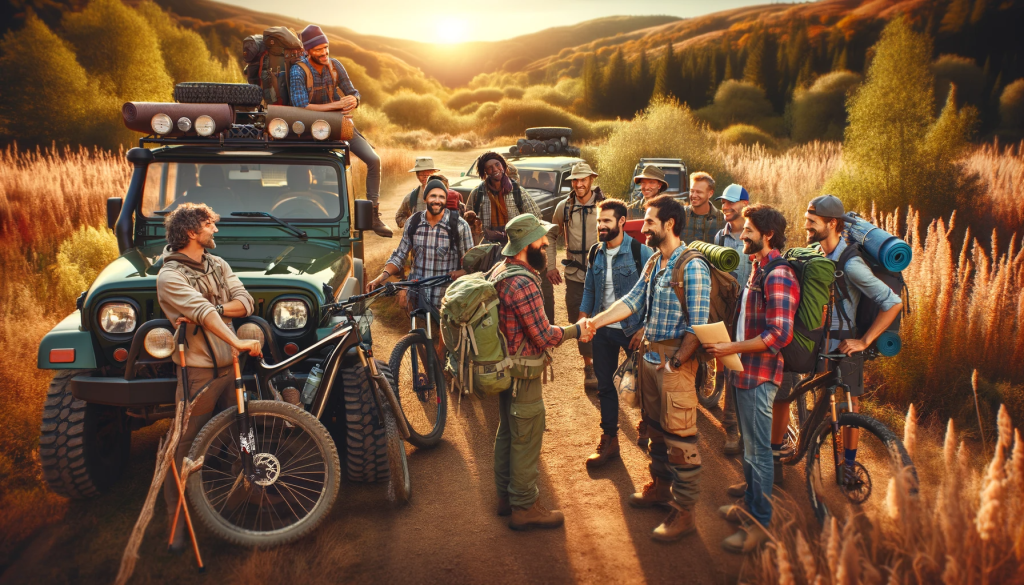
Now, the tide has turned and restrictions have started coming for them, ensnaring the very groups who supported the ‘conservation’ claims, revealing a shared vulnerability to access limitations. It’s an ironic twist, transforming former adversaries into unlikely allies. The offroading community is ready to extend a hand, not to point fingers, but to forge a united front.
This isn’t just about preserving trails or climbing routes; it’s a collective battle for the essence of outdoor freedom. We invite our fellow enthusiasts to join us in a renewed effort to ensure that our natural spaces remain open and accessible to all. Together, we can advocate for balanced policies that respect the environment and our rights to enjoy it. It’s time to rally, bridge our divides, and protect the wild spaces we cherish.
What Do You Think?
We love hearing from our readers and listeners! Share your thoughts, questions, or off-roading stories.
- Website: The Trailhead Network
- Email: JD@thetrailheadnetwork.com
- Phone: (719) 408-0132
 The Trailhead Network
Leave a comment