

By Riley Ridge
Staff Writer, The Trailhead Network
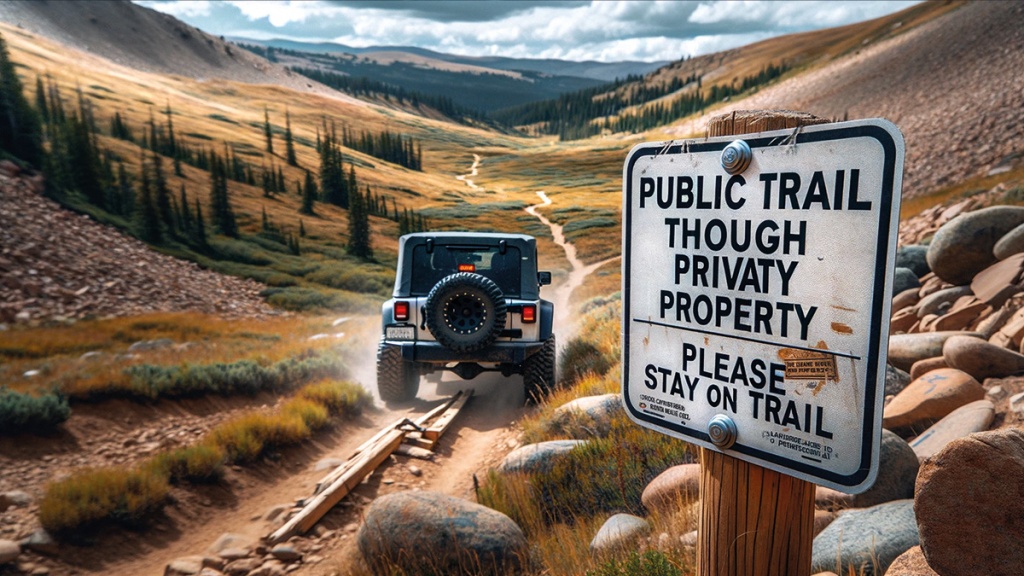
In a landmark move that’s stirring the hearts of outdoor enthusiasts and offroaders alike, Colorado has recently enacted a law that promises to reshape the landscape of recreational access to some of its most coveted natural treasures. As of March 15, 2024, adventurers may find new paths opening up, leading to the towering 14ers that punctuate Colorado’s skyline, thanks to legislation that eases previous restrictions on access through private lands. This shift marks a significant victory for the outdoor community and sets a precedent for how states can balance private property rights with the public’s thirst for the great outdoors.
The Heart of the Matter
For years, the clash between landowners’ liability concerns and the outdoor community’s desire for access has cast a long shadow over Colorado’s $13.9 billion outdoor recreation industry. High-profile legal battles and the threat of litigation had begun to erode the access to iconic 14,000-foot peaks, the Leadville 100 trail run, and the Ouray Ice Park, among others.
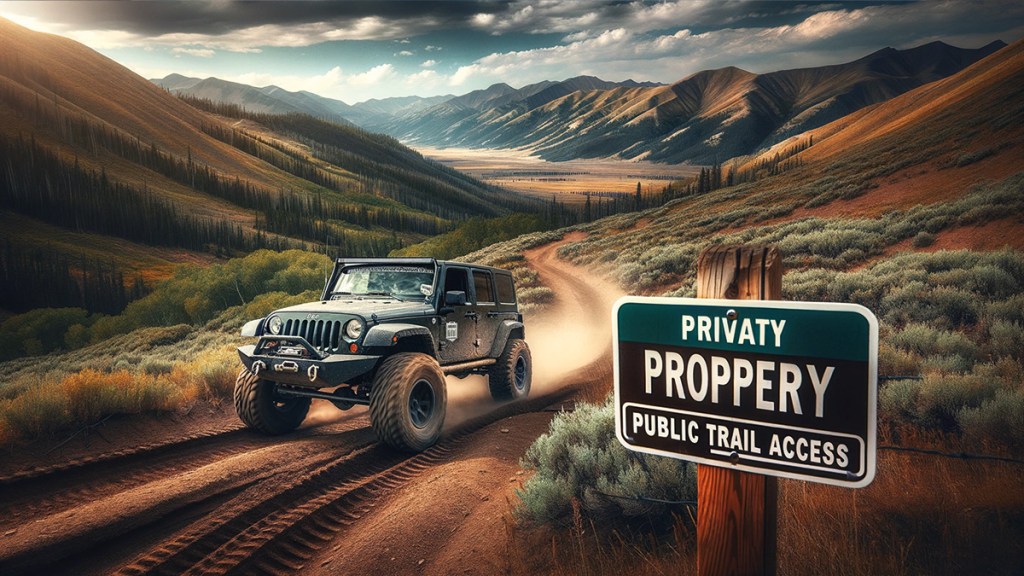
The newly passed legislation, however, offers a beacon of hope. It grants landowners immunity from liability, provided they adhere to specific guidelines, such as posting warning signs about potential hazards. This move encourages landowners to open up their property for recreational use and addresses a critical barrier that has kept some of Colorado’s most beautiful landscapes just beyond reach.
Offroading Implications
While the law doesn’t directly address offroading, the implications for the community are profound. Access to trails that lead through private property to public lands has been contentious, limiting the exploration possibilities for offroaders and other outdoor enthusiasts. The new legislation could open up new routes for offroad adventures, offering fresh terrain to explore and further integrating offroading into the fabric of Colorado’s outdoor culture. It also provides a template for other states struggling with this question and offroad trails.

Challenges and Considerations
Despite the optimism, the law comes with its caveats. Landowners retain the right to restrict access or set specific conditions for recreational use, including offroading. The offroading community must navigate these changes responsibly, respecting landowners’ rights and the stipulations of access to foster a positive relationship between landowners and outdoor enthusiasts.
Conclusion
Colorado’s recent legislative addition is more than a win for outdoor access; it’s a testament to the state’s commitment to preserving its outdoor heritage while respecting the rights of private landowners. As offroaders and other adventurers gear up to explore newly accessible trails, the spirit of cooperation and respect will be vital to unlocking the full potential of this landmark law.
Reach Out To Us
We love hearing from our readers and listeners! Share your thoughts, questions, or off-roading stories.
- Website: TheTrailheadNetwork.com
- Email: Riley@thetrailheadnetwork.com
- Phone: (719) 408-0132
 The Trailhead Network
Leave a comment